LeebaStar
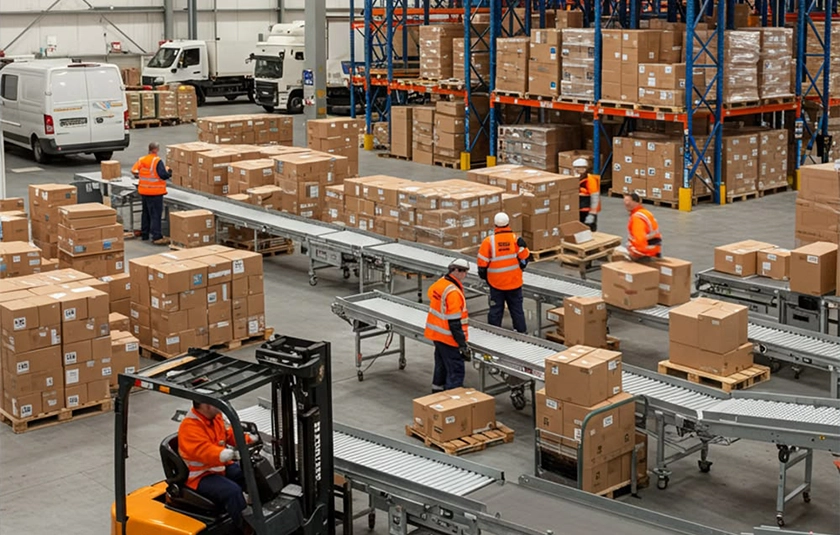
The warehousing industry is undergoing a dramatic shift driven by technology. From automated storage systems to AI-powered inventory management, modern warehouses are becoming smarter, faster, and more efficient than ever. Businesses that embrace these advancements gain a significant competitive edge in their supply chain operations.
-
Warehouse Management Systems (WMS)
A modern WMS is the backbone of any efficient warehouse. It provides real-time visibility into inventory levels, automates order processing, tracks stock movements, and generates performance reports — eliminating manual errors and reducing operational overhead significantly.
-
Automated Storage and Retrieval Systems (AS/RS)
AS/RS technology uses computer-controlled systems to automatically place and retrieve goods from defined storage locations. This dramatically increases storage density, speeds up picking operations, and reduces reliance on manual labor in large-scale warehouse environments.
-
Barcode and RFID Tracking
Barcode scanning and RFID (Radio Frequency Identification) technology allow warehouses to track every item in real time without manual counting. RFID in particular enables bulk scanning of multiple items simultaneously, improving accuracy and throughput across receiving, picking, and dispatch operations.
-
Robotics and Autonomous Mobile Robots (AMRs)
Warehouses are increasingly deploying robots to handle repetitive tasks such as picking, packing, sorting, and transportation within the facility. AMRs navigate autonomously using sensors and AI, working alongside human staff to increase speed and reduce fatigue-related errors.
-
IoT Sensors for Real-Time Monitoring
Internet of Things (IoT) sensors monitor temperature, humidity, equipment performance, and inventory conditions around the clock. This is especially critical for warehouses handling perishables, pharmaceuticals, or sensitive electronics that require controlled storage environments.
-
AI-Powered Demand Forecasting
Artificial intelligence analyzes historical data, seasonal trends, and market signals to predict future inventory needs. This helps warehouse managers maintain optimal stock levels, avoid costly overstocking or shortfalls, and plan labor and space more efficiently.
-
Cloud-Based Integration with Supply Chain Partners
Cloud technology enables seamless data sharing between warehouses, freight carriers, customs authorities, and end customers. This end-to-end connectivity ensures all stakeholders have access to accurate, up-to-date shipment and inventory information at every point in the supply chain.
Latest Blogs
-

Global Sea Freight Trends to Watch in 2026
May 15, 2026 -

How to Choose the Right Air Freight Solution
April 28, 2026 -

How Technology is Transforming Modern Warehousing
April 10, 2026